
Call for applications
Through Monday, November 2, 2026.
Violène Ottanivo at Solenne Jolivet's - 2025

"Violène spontaneously asked if she could go and help the other residents. She discovered not only my world, but also that of the set designer and the paper artist," says Solenne.
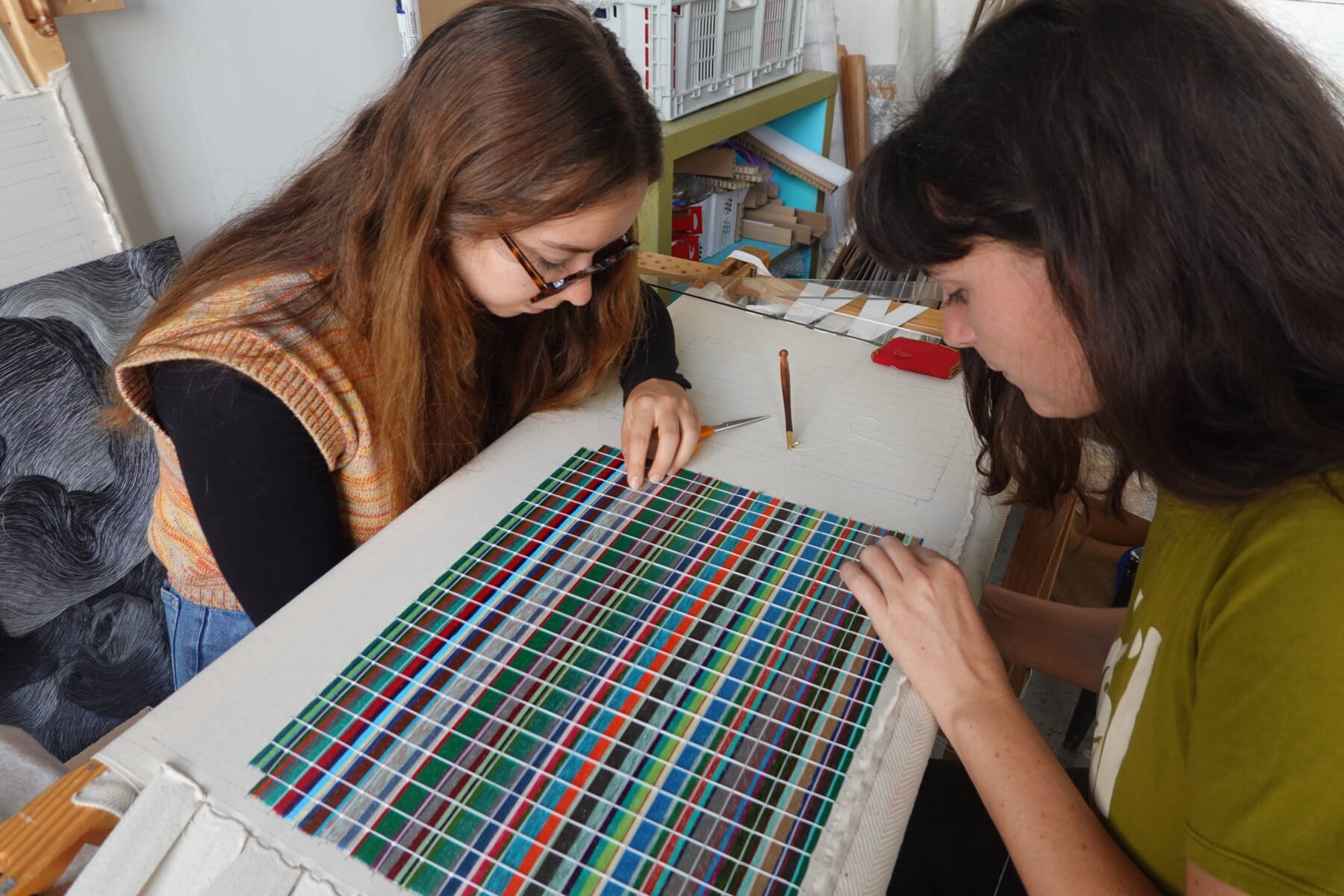
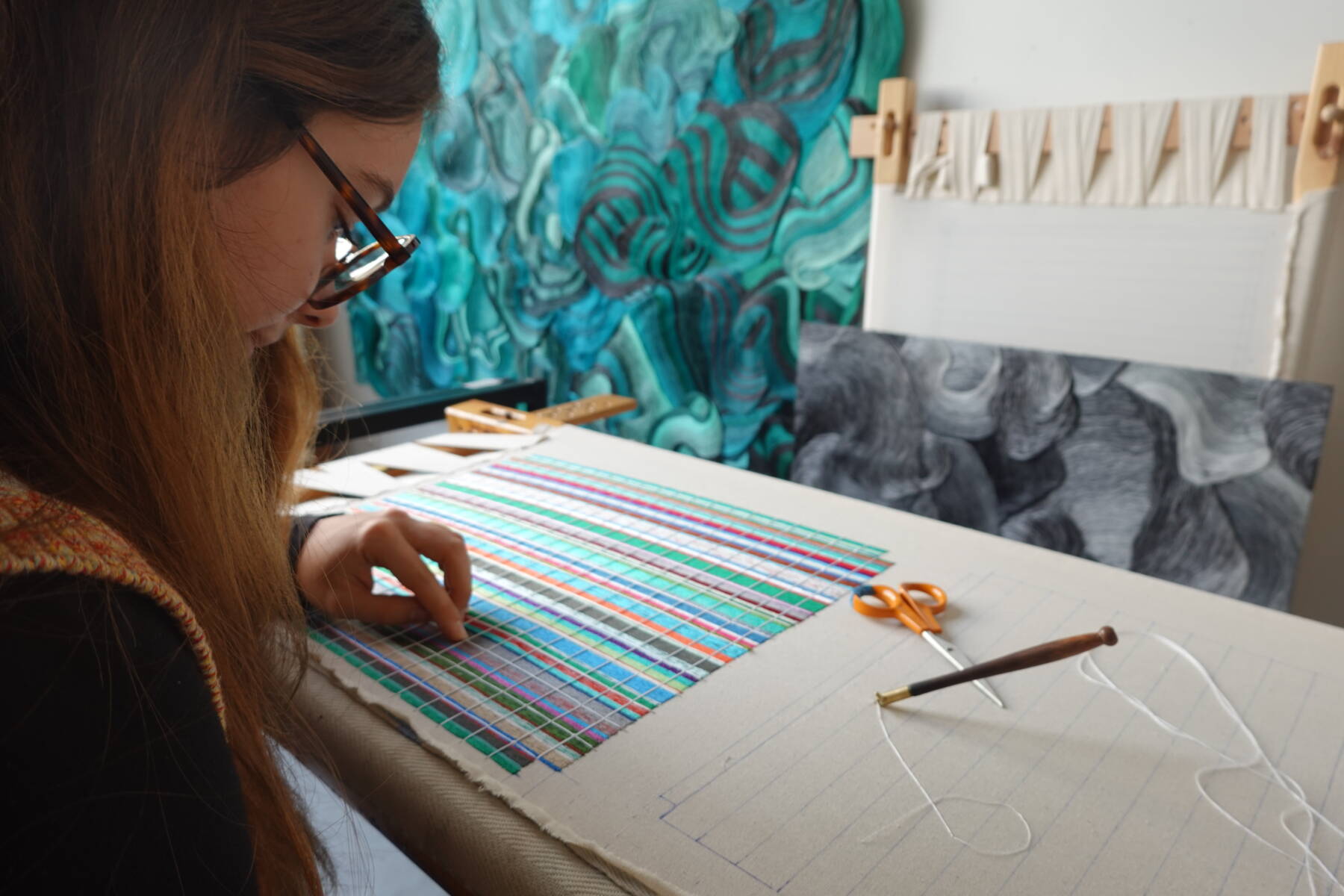
Violène Ottavino, winner of the 2025 Savoir-Faire en Transmission Award, discovers the many facets of the embroidery artist's craft at Solenne Jolivet Textiles' workshop. This is the story of a year of learning that goes far beyond technique.
A graduate of the DNMAD Materials program specializing in embroidery at La Source high school in Nogent-sur-Marne, Violène was already practicing crochet, knitting, and embroidery. But at the end of her three years of study, she was unsure about her next steps. "I didn't necessarily want to continue on to a DSAA because there wasn't really a specialization in embroidery. But I was a little afraid to launch myself into the professional world," she confides. It was when she heard about the Prix Savoir-Faire en Transmission, which several students from La Source had benefited from, that she contacted Solène Jolivet.
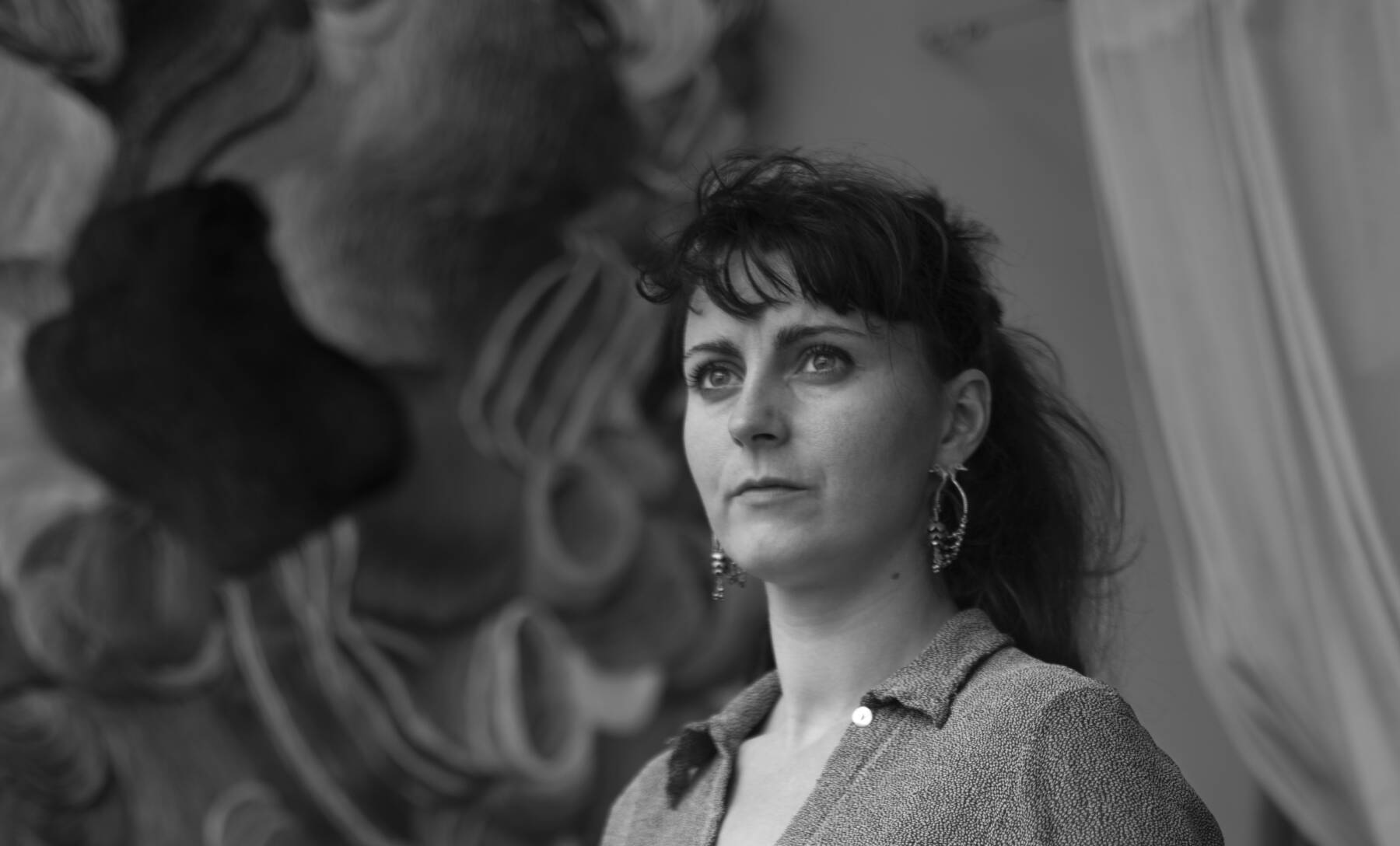
Solenne Jolivet, artist and textile craftswoman, set up her own business in 2017-2018 after studying atthe Institut Français de la Mode. Winner of the Banque Populaire Foundation Award, the Grands Prix de la Création 2023, the LVMH Artisanes Award, and the ODI Award at the Salon des Beaux-Arts, she has gradually refined her position between craftsmanship and artistic creation.
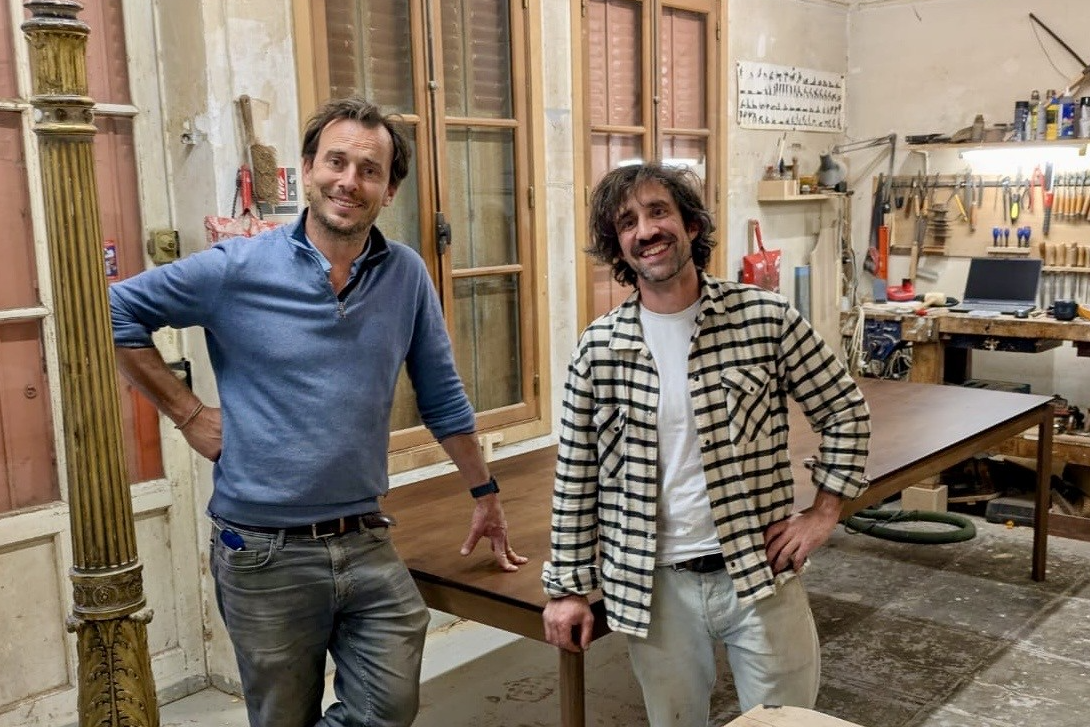
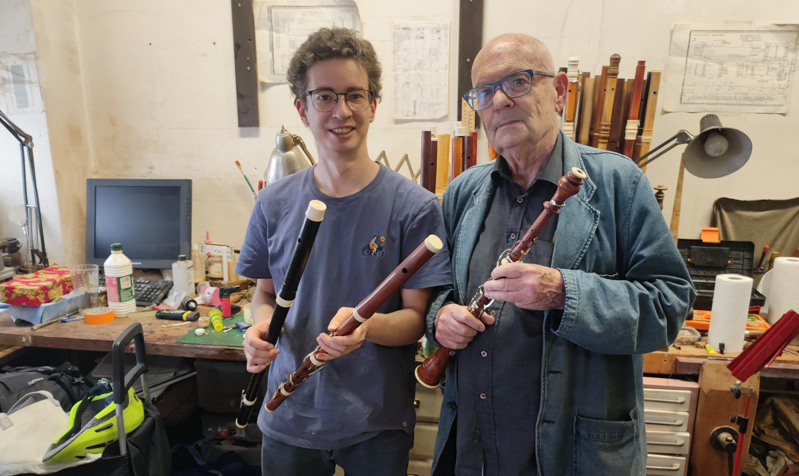
"Violène spontaneously asked if she could go and help the other residents. She discovered not only my world, but also that of the set designer and the paper artist. She worked with the carpenter, the luthier, and the jeweler."
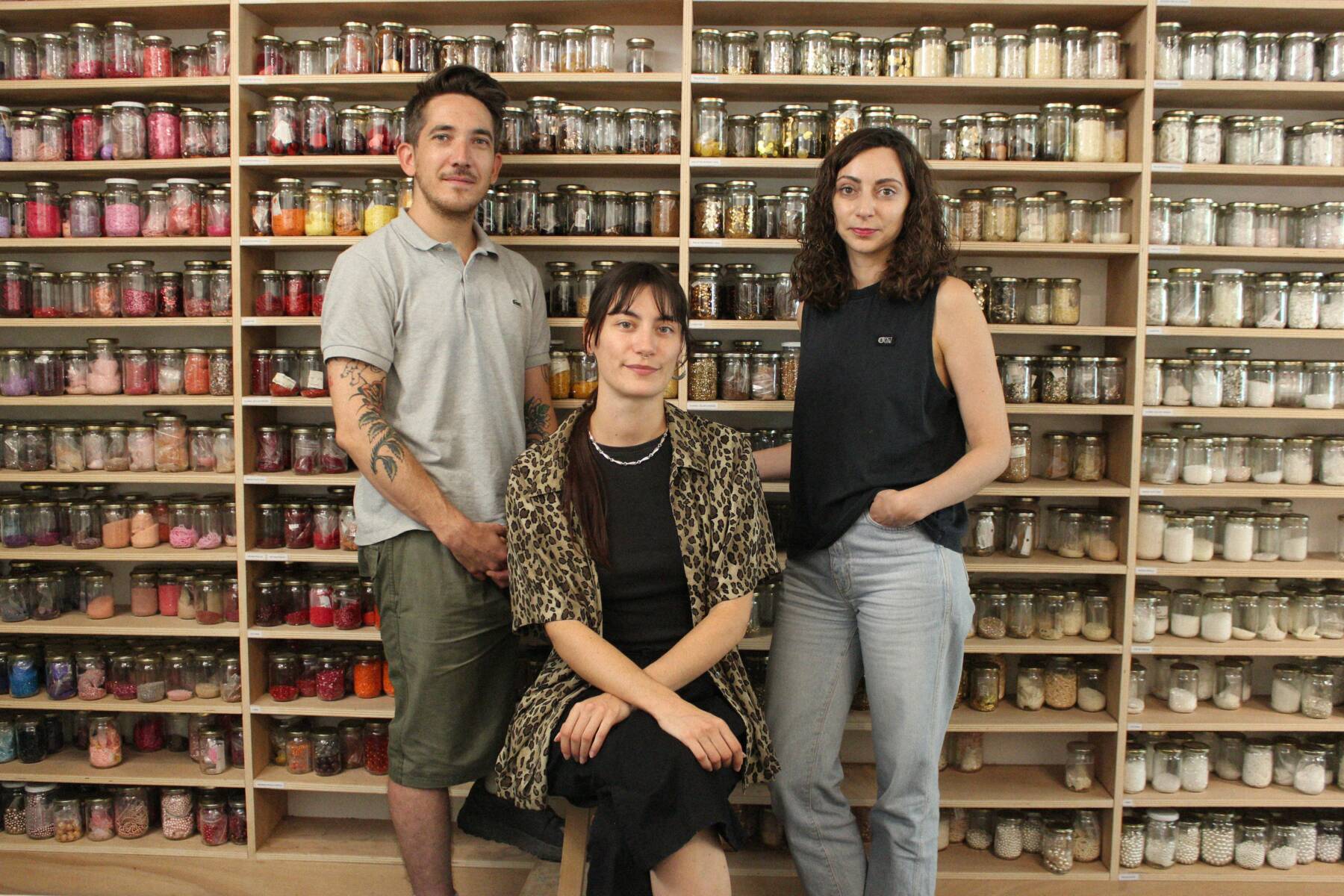
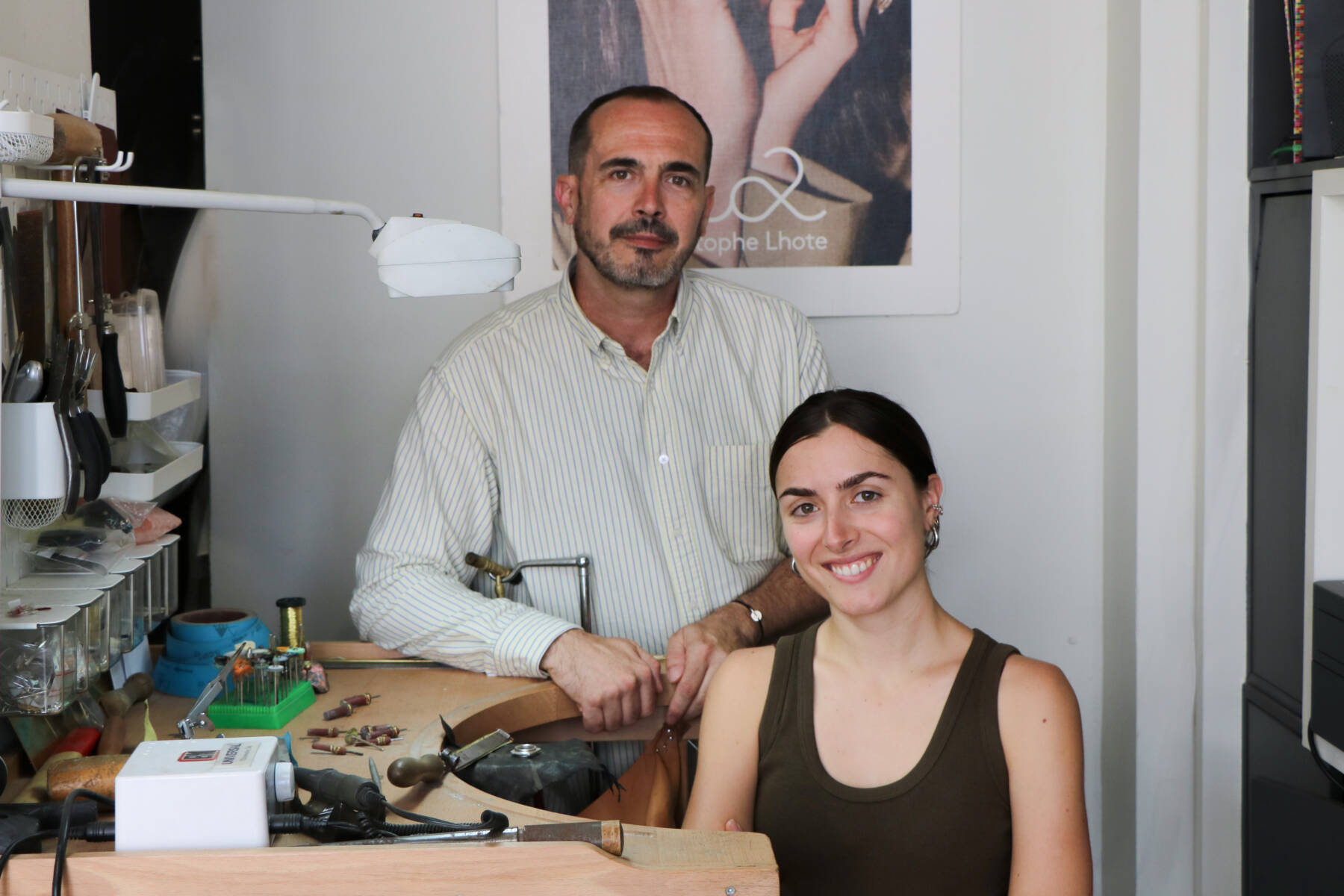
The workshop is located in a shared space bringing together several artisans with diverse activities. This unexpected wealth of resources allows Violène to work with metal using a blowtorch, work with wood, discover the art of paper, and even help a plant-based caterer during events.
"It's absolutely brilliant for young people because it helps them understand everyone's business plan. The more business models they have in mind, the better they can plan for the future," explains Solène.
For Solène, passing on knowledge also involves learning the pace of work, curiosity, and a certain boldness. "There are a lot of people in the job market. You get ahead through your attitude and your motivation to learn."
Violène agrees: "There's also everything she taught me in terms of technique. The Lunéville hook is something I hadn't seen at school. And also all her experience, all the mistakes she made, so that I don't repeat the same ones."
At the workshop, Violène doesn't just embroider. Communication, accounting, archives, orders: "Now you're independent in lots of areas. You see the logistical, commercial, and marketing reality of my business," Solenne points out. Currently, the two women are working on new pieces using Lunéville crochet, the iconic haute couture tool used to apply beads and sequins.
"Learning the arts and crafts trades is the most important thing. It takes a long time. A two-week internship isn't enough. It takes about a month and a half to start feeling comfortable," says Solenne.
For Solenne Jolivet, the message is clear: long-term, paid training in real-world settings is the future of the arts and crafts.